

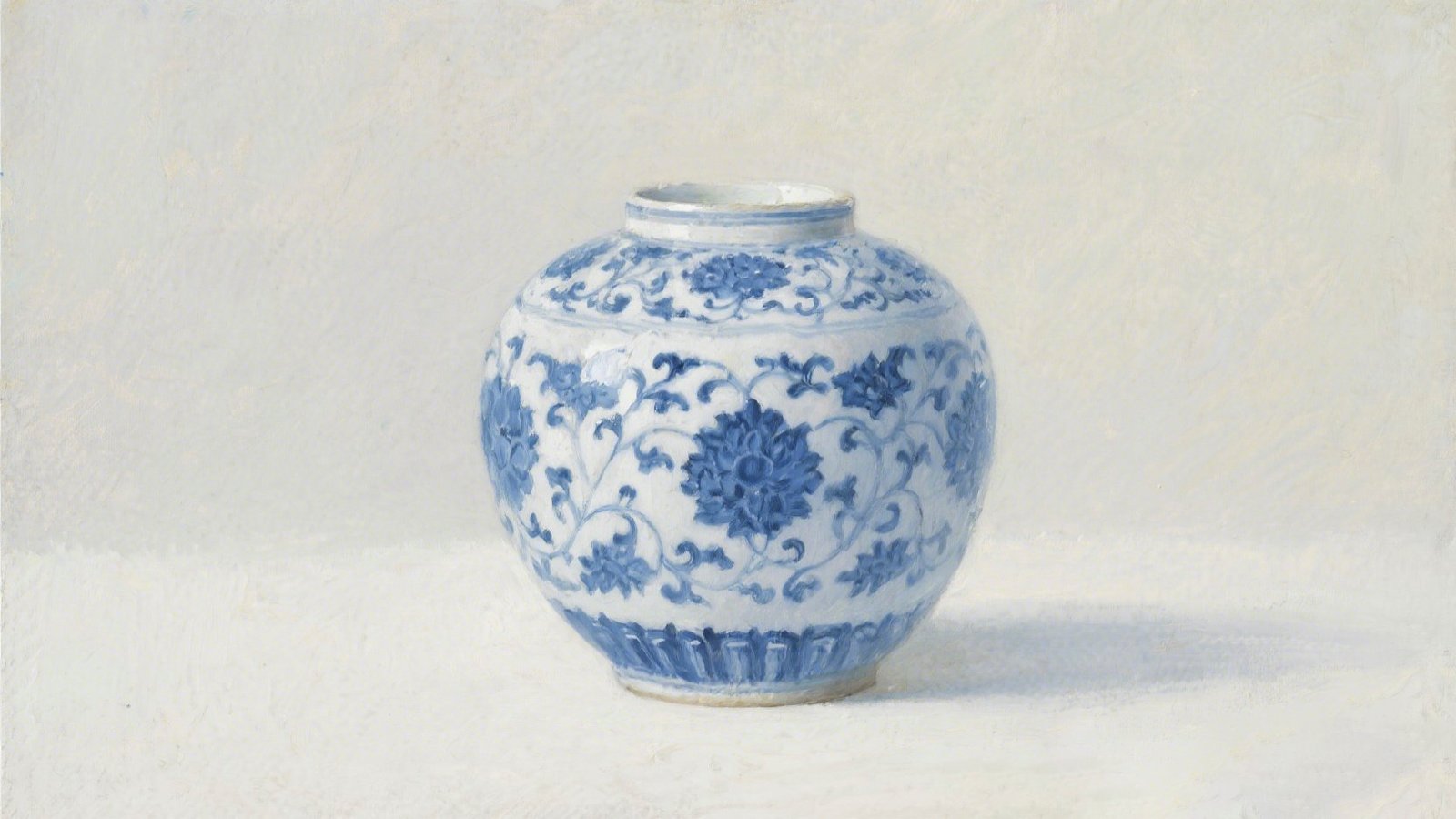

Introduction to Chinese Porcelain The beauty of Chinese porcelain shines as a cultural treasure, showcased on AllWinChina.org. As a non-profit dedicat
Introduction to Chinese Porcelain
The beauty of Chinese porcelain shines as a cultural treasure, showcased on AllWinChina.org. As a non-profit dedicated to preserving heritage, we explore this art form’s elegance and history, as of 7:23 PM PDT, July 7, 2025. Originating over 1,700 years ago, porcelain—known as “china”—reflects China’s mastery of ceramics, blending utility with artistry. Dive into its craft to appreciate its legacy and gain insights for collecting or creating, enriched with practical knowledge.
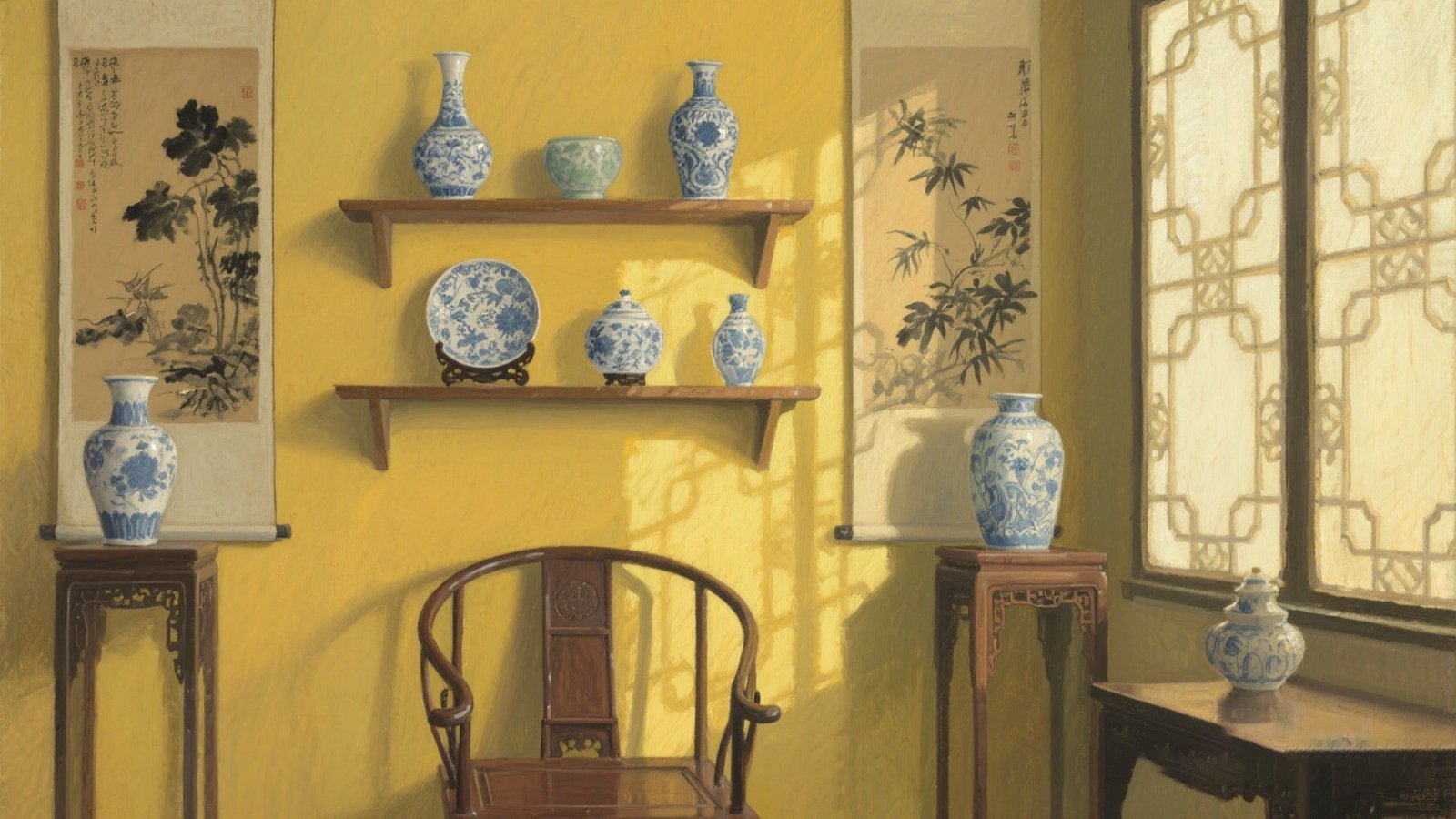
Chinese porcelain art
History of Chinese Porcelain Art
Chinese porcelain beauty began during the Eastern Han Dynasty (25-220 CE), with Jingdezhen later becoming its epicenter. Artisans perfected kaolin clay and high-temperature firing, creating translucent, durable wares. From blue-and-white Ming vases to Qing dynasty famille rose, each piece tells a story of trade and innovation along the Silk Road. AllWinChina.org preserves this heritage, with SEO-optimized content indexed by Google, accessible to art lovers worldwide tonight.
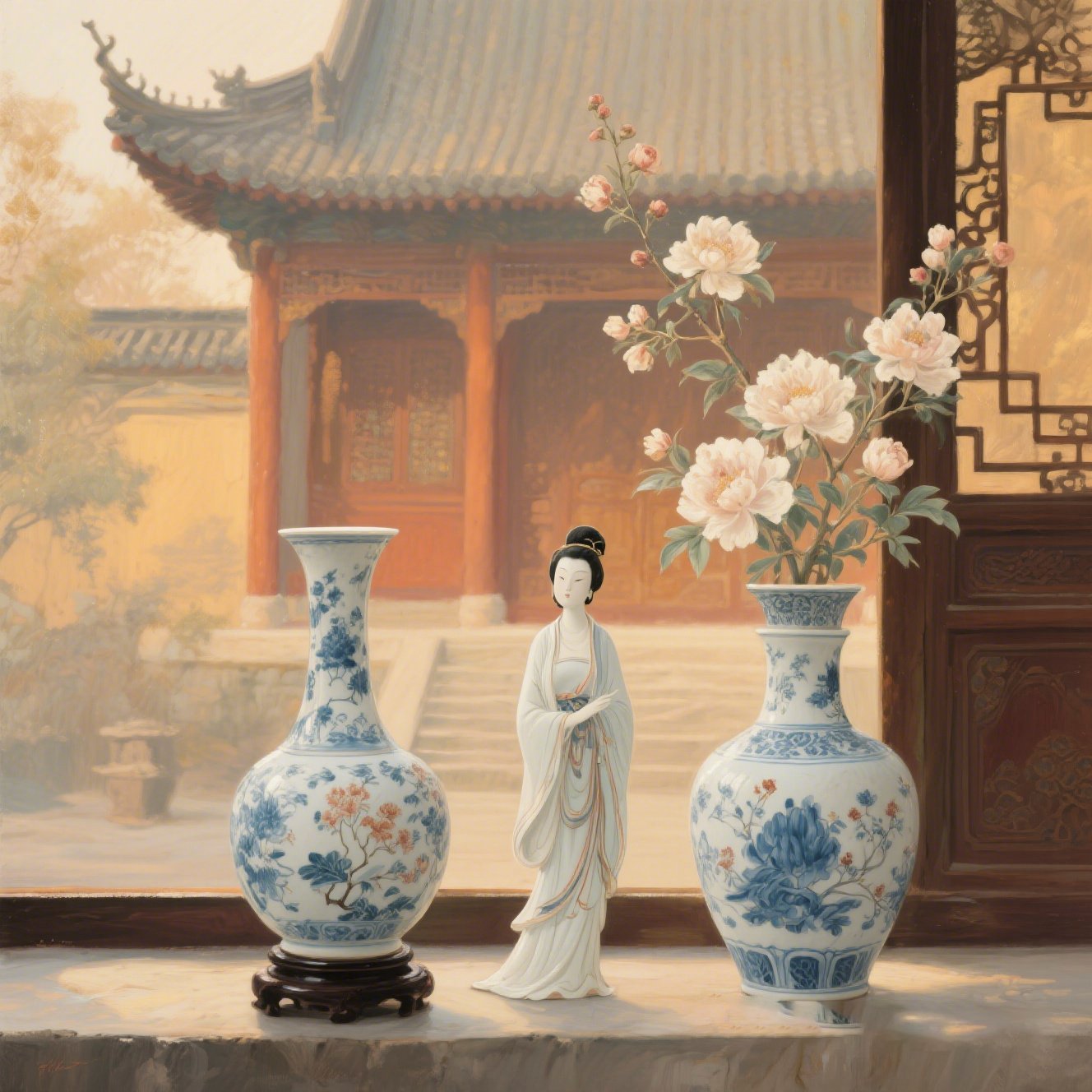
Chinese porcelain art
Crafting Techniques of Chinese Porcelain
Crafting Chinese porcelain beauty involves intricate techniques. Start with refining kaolin clay, shaping it on a wheel, and glazing with cobalt or copper oxides for vibrant hues. Fire at 1,200-1,400°C to achieve translucency, a process requiring precision. Our site’s fast-loading resources, updated as of July 7, 2025, include tutorials on glaze mixing and firing basics, empowering you to experiment or identify authentic pieces with confidence.
Cultural Significance of Chinese Porcelain
The cultural significance of Chinese porcelain beauty is profound. Exported via the Silk Road, it influenced global aesthetics, from Islamic tiles to European chinaware, symbolizing wealth and diplomacy. AllWinChina.org’s non-profit mission safeguards this legacy, countering its commercialization with education. As of today, owning or studying porcelain connects you to history—skills you can use to curate collections or inspire sustainable craftsmanship, linking past artistry to modern values.
Engage with Chinese Porcelain Heritage
Ready to explore? Discover more on allwinchina.org/portfolio or share your porcelain finds on X with #ChinesePorcelainBeauty. Contact us at porcelain@allwinchina.org to join workshops or contribute expertise. This treasure, refreshed at 7:23 PM PDT today, deepens with your interest—what aspect of porcelain artistry captivates you most? Reflect below with your thoughts or questions!

COMMENTS