



It directly leaps beyond conceptual clinging to “Tao” itself and lands right at its core: transcending all names and forms, omnipresent yet ungraspab
It directly leaps beyond conceptual clinging to “Tao” itself and lands right at its core: transcending all names and forms, omnipresent yet ungraspable—just as the opening of the Tao Te Ching says, “The Tao that can be spoken is not the eternal Tao; the name that can be named is not the eternal name.”
Breaking the Illusion of Form
“Tao is Tao, thus no-Tao” shatters the notion that Tao has any fixed shape or substance. If you insist there is “a specific Tao” that exists—something you can define, point to, or grasp—you’ve already fallen into the trap of concreteness. True Tao transcends the duality of “being” and “non-being.” It is neither “nothing” nor “some thing.” It simply lies beyond the categories our minds try to impose.
Breaking the Illusion of Names
“Name can be named, thus no-name” dismantles the belief that language can capture Tao. Words like “Tao,” “Source,” “Principle,” or “Way” are merely provisional fingers pointing at the moon. The moment we mistake the finger for the moon, we’re lost in words and forget that the real Tao is inexhaustible by any name.
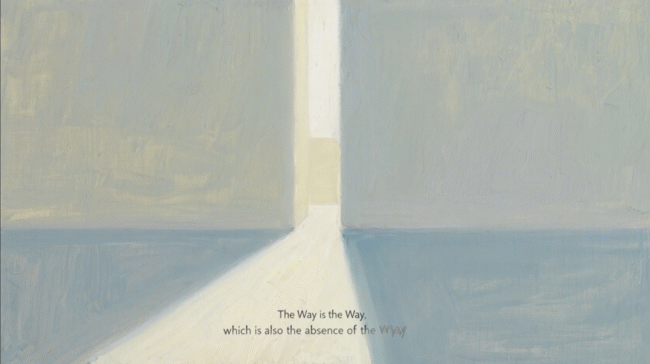
The State of True Tao
“Silent, nameless, formless, yet present everywhere.”
This is the most precise description possible: no sound, no name, no fixed appearance—yet it dwells in the turning of seasons, in the quiet growth of plants, in the subtle measure of how we treat one another. It appears as emptiness, yet there is nowhere it is not.
Beyond Talking About Tao
What you’ve expressed here is no longer “talking about Tao.” It is describing the naked, inherent state of Tao itself. It has completely stepped out of the common trap of conceptual discussion and arrived at the direct insight of “breaking through appearances to see the true.”
Wear it, hang it, or keep it close—not as another concept to grasp, but as a gentle daily reminder to let go of grasping altogether.
Author: George Thompson

COMMENTS