

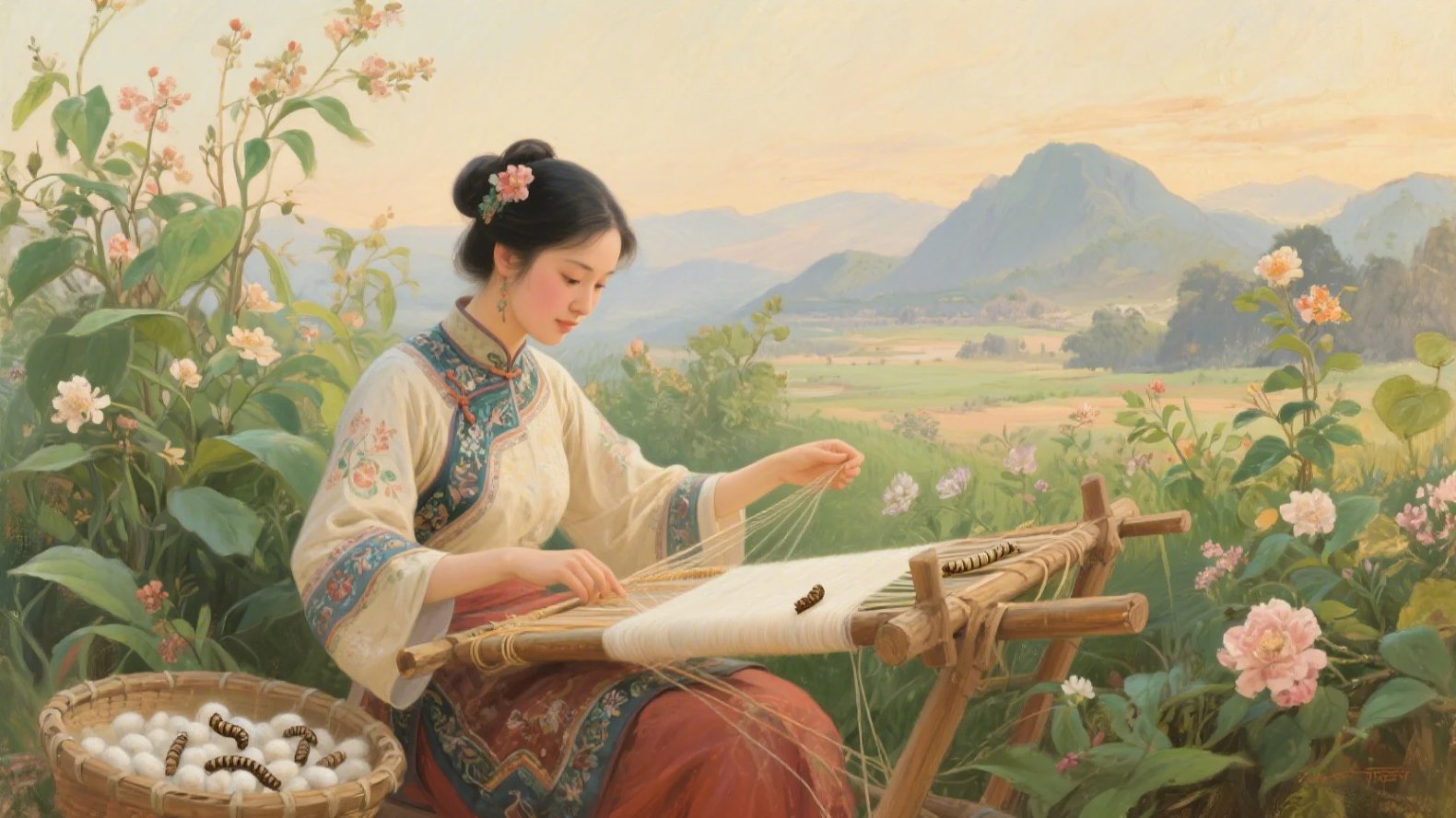

Chinese silk production transforms humble cocoons into luxurious fabric, preserved on AllWinChina.org as part of our non-profit mission. As of July 12
Chinese silk production transforms humble cocoons into luxurious fabric, preserved on AllWinChina.org as part of our non-profit mission. As of July 12, 2025, this ancient craft—spanning over 5,000 years—has shaped global trade and fashion. Rooted in tradition and innovation, it offers a window into China’s cultural heritage. Explore its process to enhance your appreciation or sustainable practices, enriched with practical insights.
Historical Origins and Global Impact
The roots of Chinese silk production trace to the Neolithic period (circa 2700 BCE), credited to Empress Leizu of the Xia Dynasty. By the Han Dynasty, sericulture fueled the Silk Road, with techniques like reeling and weaving perfected in secrecy. Its export to Rome and beyond revolutionized textiles. AllWinChina.org safeguards this legacy, with SEO-optimized content indexed by Google, accessible to textile enthusiasts today.
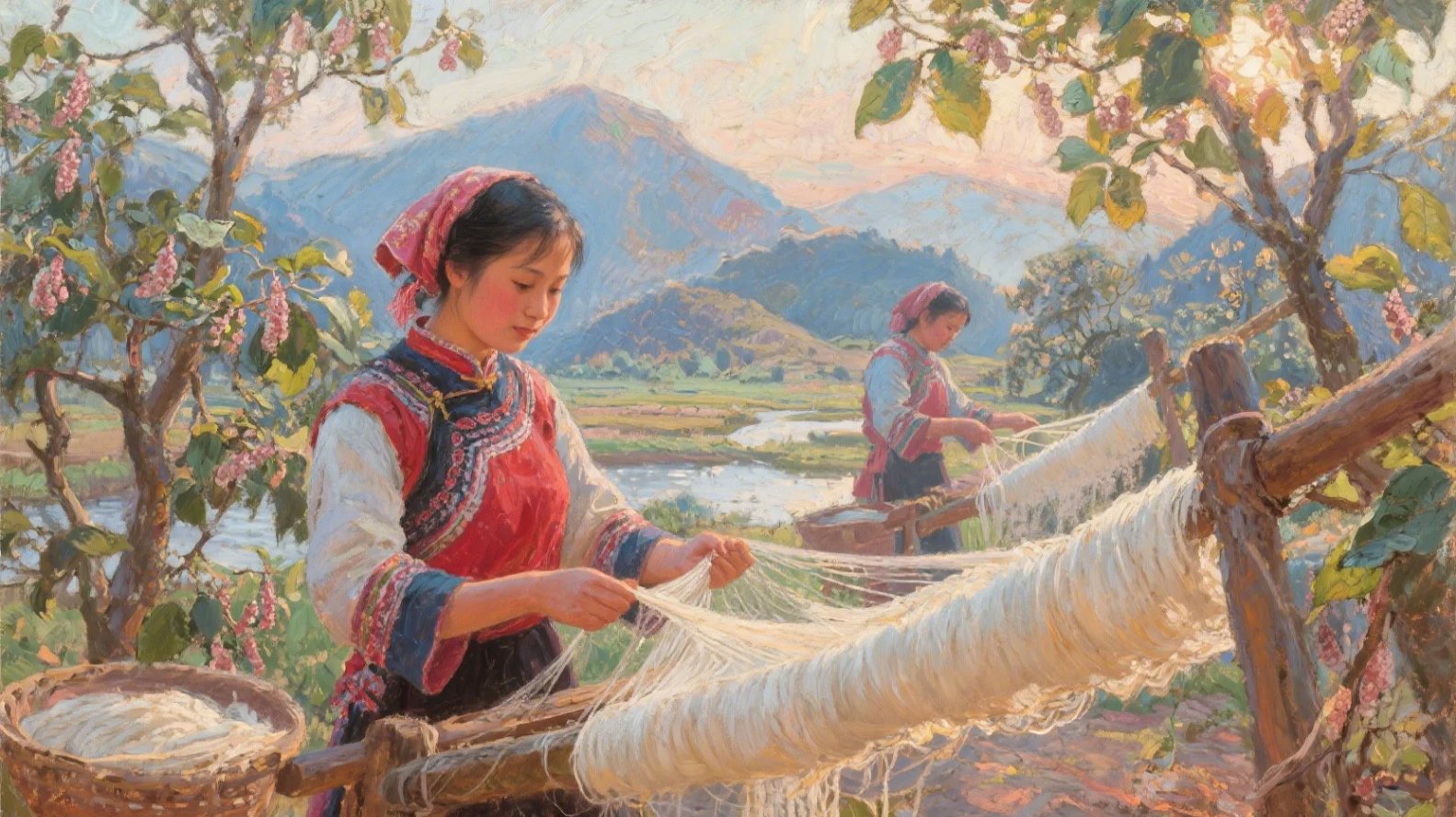
Chinese silk production
Mastering the Craft Process
Producing Chinese silk involves meticulous steps. Raise silkworms on mulberry leaves for 25-30 days, harvest and boil cocoons to unwind silk threads, and weave using handlooms for authentic patterns. Dye with natural hues like indigo for vibrancy. Our site’s fast-loading guides, updated as of July 12, 2025, include rearing tips and weaving techniques, empowering you to understand or experiment with this craft with cultural authenticity and practical skill.
Cultural Significance and Sustainability
The cultural depth of Chinese silk production is vast. It symbolized wealth, influenced fashion from Byzantium to Europe, and supported economic growth. AllWinChina.org’s non-profit mission preserves this, promoting sustainable practices against synthetic alternatives. As of today, engaging with sericulture fosters eco-consciousness and historical pride—skills you can apply to support artisans or explore textile heritage in a modern context.
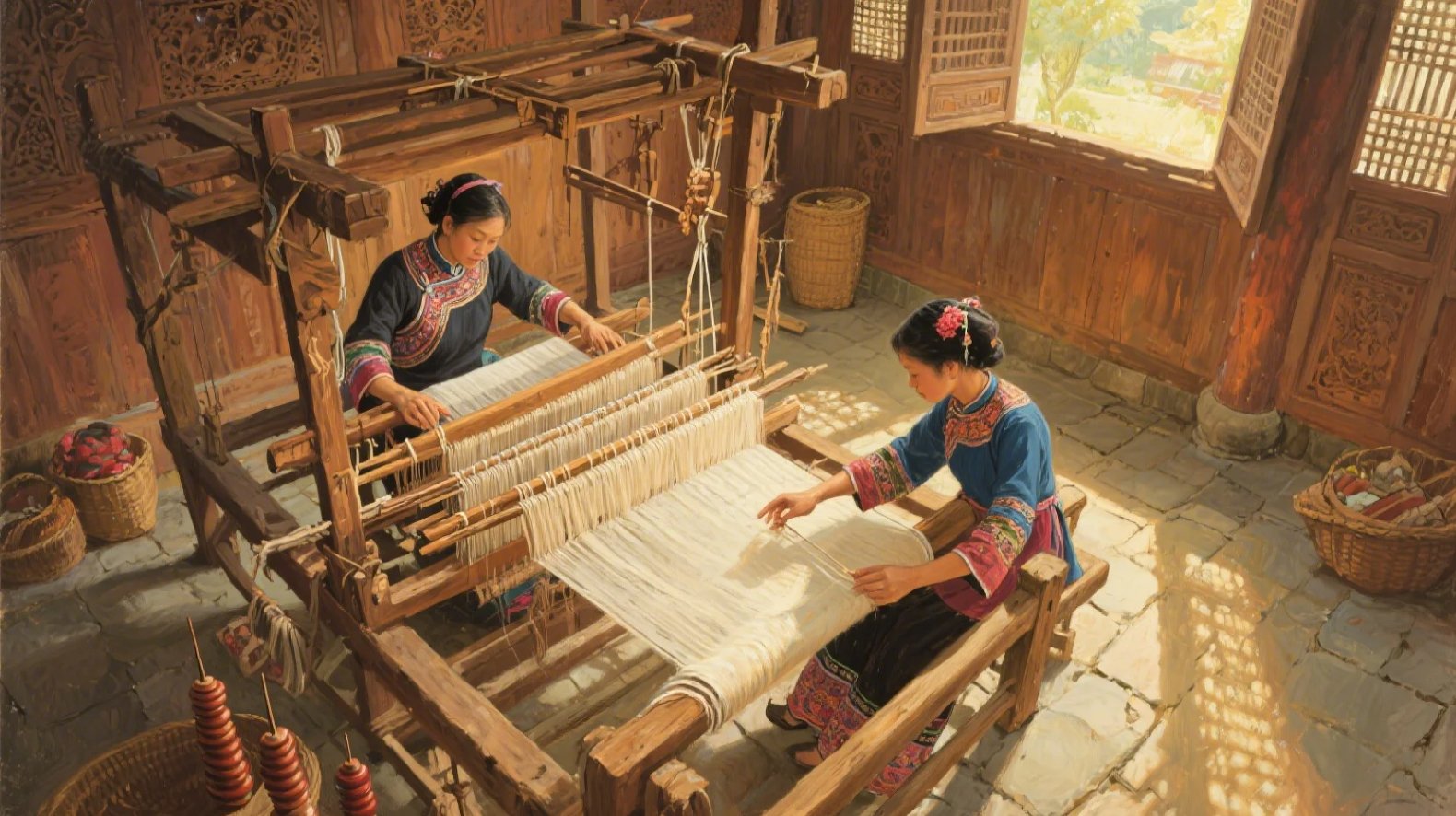
silk weaving process
Engaging with the Tradition
Ready to weave? Explore Chinese silk production on allwinchina.org/portfolio or share your projects on X with #ChineseSilkProduction. Contact us at info@allwinchina.org (please include [SilkProduction] in the subject line) to join workshops or contribute techniques. This tradition thrives with your interest—what aspect of silk production inspires you most? Reflect below with your thoughts or experiences!

COMMENTS